
Bastrop County Arrest Warrants Explained
In Texas, an arrest warrant is a written order from a magistrate. It goes to a peace officer or another named person. The document identifies the suspect or gives a reasonably definite description, states the offense, and bears the magistrate's signature. A sworn complaint or affidavit usually backs the request. The judge has to review that legal basis before any process issues. Missed court dates work differently. That later entry comes after a failure to appear, not from a magistrate's upfront finding. In Bastrop County, knowing the case's court level helps you find the right file, though a public search may not show unserved or sealed process.
Bastrop County Arrest Warrant Courts
Four district courts sit in Bastrop County: the 21st, 335th, 423rd, and 465th Judicial District Courts. Felony criminal files are held by the District Clerk at the courthouse annex. Misdemeanor criminal matters go through the County Clerk for the County Court at Law. JP and municipal judges also serve as magistrates for matters within their authority. Name the court and case when you ask. The District Clerk's page links district case records and felony payment details. For the wider picture, the Texas trial-court chart explains the state's levels, while Bastrop's own directory shows which courts serve the county.

The court level helps you route a records request in Bastrop County. It does not tell you which officer was assigned to serve a given warrant.
Inside a Bastrop County Arrest Warrant
The statewide statute gives a plain checklist for what an arrest warrant contains. A Bastrop County file may hold more, but no single published schema covers every court here.
| Person or description | Identifies the person named in the order or a reasonably definite description. |
|---|---|
| Offense | The offense named in the warrant; the record may also show a code or class. |
| Magistrate signature | Shows the authorized judicial officer's approval. |
| Case and cause | Connects the order to the court file. |
| Issue date and time | Dates the order, not necessarily the date it was entered in every agency system. |
| Bond and status | Case-specific; confirm type, amount, service, recall, or hold with the court. |
For Bastrop County readers, Texas Code of Criminal Procedure arts. 15.01–15.03 set out the arrest-warrant definition, its required contents, and the basis for issuance.
Bastrop County Arrest Process and Magistrate
The usual sequence starts with sworn facts. A magistrate with authority then reviews them. An order directed to a peace officer follows, and the file may be entered in the issuing court's system and agency records. Confirm the issuing court and the serving agency separately, since they are two different details. Keep the documents straight, too. A complaint is not the warrant. An indictment, citation, booking record, and incident report are all different papers as well. The distinction matters when a name search returns a case row but no clear process status, so ask the clerk what document is actually there and whether a separate warrant entry exists in Bastrop County.
- Identify the court and case number.
- Ask which magistrate issued the process.
- Ask which agency received the order.
- Confirm whether it is served, returned, recalled, or still outstanding.
Serving Arrest Warrants in Bastrop County
The Bastrop County Sheriff's Office organizes this work into Warrants/Evidence, an Intelligence/Fugitive Task Force, and Patrol/SWAT functions. Its patrol page describes high-risk warrant service. City police may serve process that started in their own city, and constables work as separate precinct peace officers. The county publishes no complete chart showing which unit serves each warrant. BCSO's directory lists Warrants at (512) 549-5045 and (512) 549-5020. It posts no public counter schedule, and its CID page names the units without listing individual cases.
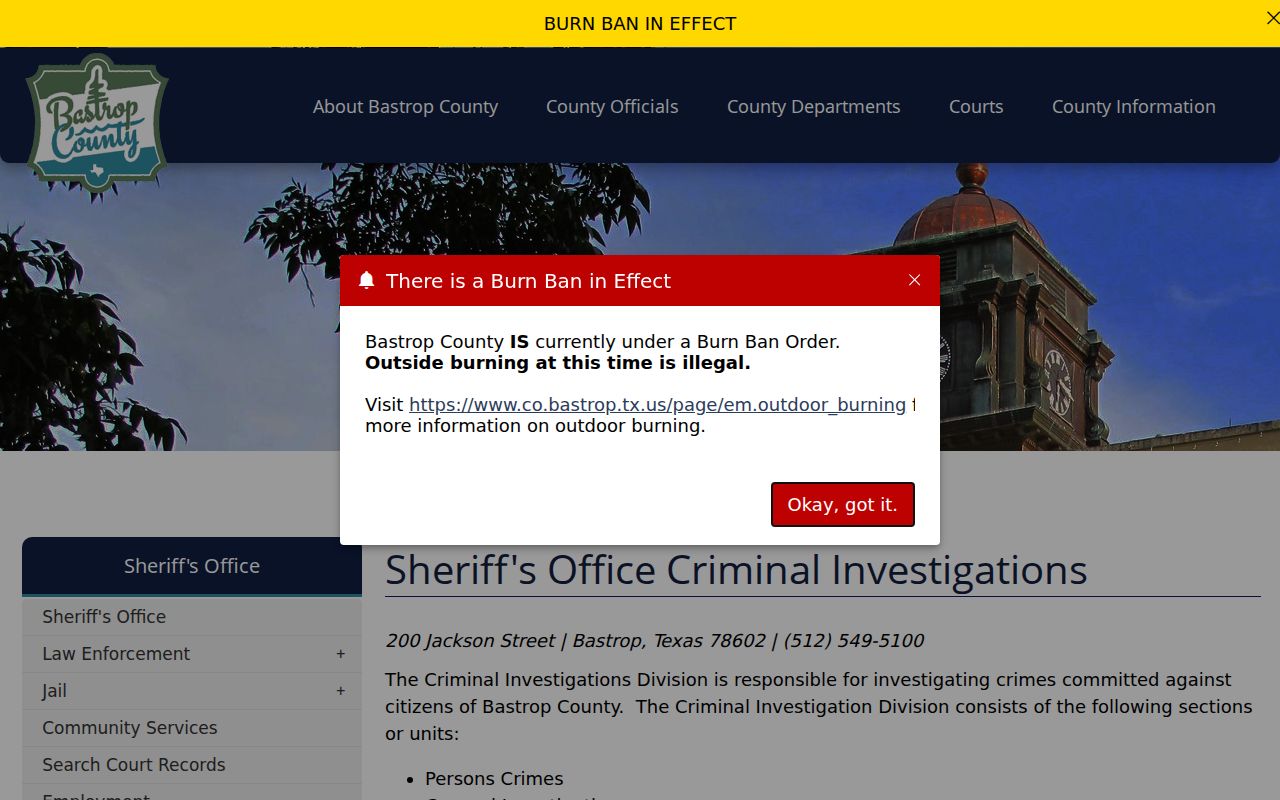
A Bastrop County serving unit can carry out the order, but only the issuing court controls recall or other case changes.
Comparing Arrest, Summons, and Bench Warrants
These terms describe different process. A summons tells a person to appear or respond. An arrest warrant lets an officer take someone into custody. A bench warrant usually follows a missed appearance or a violated order. Some Bastrop County city courts label a failure-to-appear event an "arrest warrant," so read the source's own description before assuming which one you face.
| Process | What it does | Local follow-up |
|---|---|---|
| Summons | Orders a response or court appearance | Follow the notice and contact the issuing clerk |
| Arrest warrant | Authorizes arrest under a magistrate's order | Confirm with the issuing court and serving agency |
| Bench warrant | Addresses missed appearance or noncompliance | Ask the court about a reset, recall, or bond |
Bastrop County Warrant Access: Executed or Sealed
Texas CCP art. 15.26 makes an executed arrest warrant and its supporting affidavit public through the magistrate's clerk, subject to other confidentiality law. An unserved warrant, sealed complaint, or active investigation may not show up in a public case search. Juvenile arrest-warrant records carry separate protections under Family Code §58.010. A blank docket does not prove that no warrant exists. Contact the District Clerk or the relevant lower-court clerk in Bastrop County and ask what can be released. For a Sheriff-held record, use the BCSO request route rather than the general county form.
Bastrop County requests to BCSO go through its own Open Records Division, and law-enforcement exceptions may limit what it can release.
Bastrop County Arrest Warrant Versus Summons
A case can move from complaint to magistrate review, then to an arrest order, a summons, or some other court action. Whether an arrest warrant is public depends on service status and confidentiality rules. A bench warrant reflects a court obligation; an arrest warrant authorizes custody. Federal warrants sit outside this system entirely. Bastrop County falls under the Western District of Texas, Austin Division, where the U.S. Marshals Service serves federal process. A county search cannot confirm or clear a federal warrant, so look to the federal side for that answer.
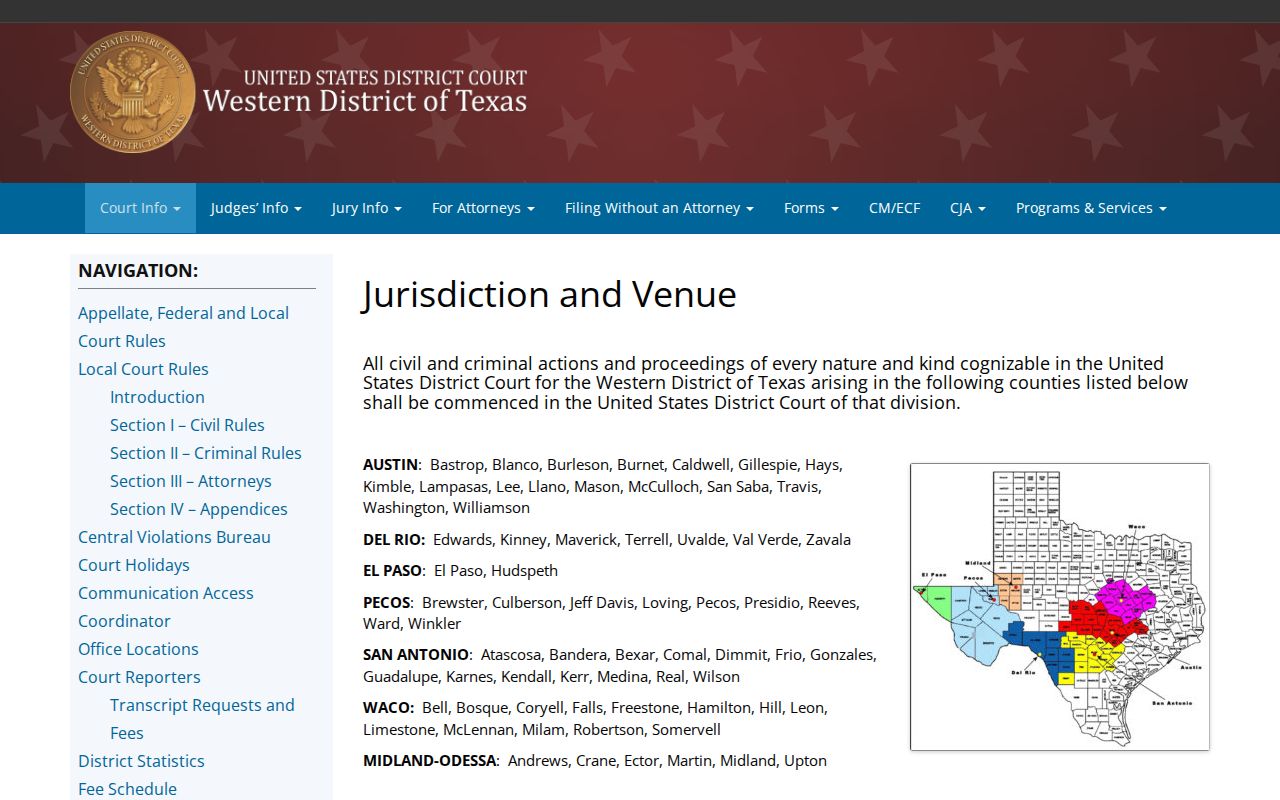
For a federal question, use counsel or the federal clerk and Marshals contact route.
Bastrop County Bond Does Not Dismiss Warrant
Bond buys release, not closure. Paying it promises a return to court, yet the case itself stays open until the judge settles it. BCSO posts an authorized bail-bond-company list for Bastrop County, though it offers no countywide bond schedule, no jail bond window, and no single payment method that fits every case. Ask first: what amount, what bond type, which office takes it, and does a judge need to approve? A capias pro fine balance at a city court is not the same animal as a criminal bond. Call before you pay a portal or company anything. The bail-bond list names firms the county licenses; it does not vouch for them.
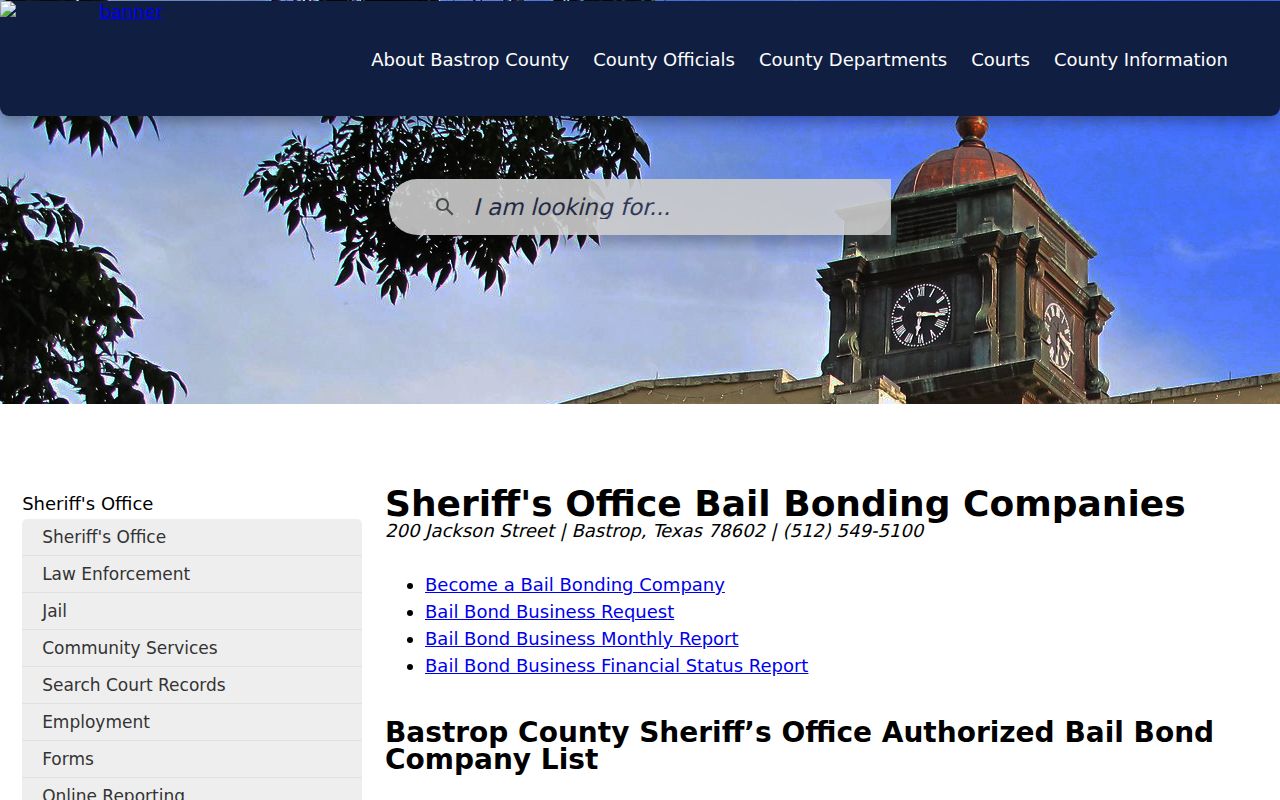
Ask the Bastrop County court or your lawyer which record will prove release.
If There's an Arrest Warrant for You
Call the issuing court and BCSO Warrants before you show up anywhere. Ask whether a lawyer can arrange a walk-through, what bond type applies, and whether booking comes first. Bastrop County publishes no blanket surrender policy or warrant-counter hours. Which office confirms your status is the key question.
Do not rely on an old list or a third-party promise. Get current instructions from counsel, the issuing court, or BCSO Warrants before traveling.
Keep the signed paper after any appearance, bond, or recall. Ask when the docket updates. For the full resolution sequence, see the home page's Bastrop County warrant steps.